Turning Waste into Infrastructure: The Rise of Circular Materials in Design
METROPOLIS Magazine recently released its METROPOLIS Interface U.S. Sustainable Design Report 2026. The report brings together research that encourages climate action away from isolated solutions and toward coordinated strategies connecting materials, ecosystems, data, and policy. In it, METROPOLIS highlights 4 publications that demonstrate the shift toward how the built environment is evolving:
- Building with Biomass: A New American Harvest Rocky Mountain Institute (RMI)
- Biodiversity Primer for Landscape Architects: Essential Knowledge to Inform Meaningful Action
- mindful MATERIALS’ 2025 Data Ecosystem Report: A Connected Future for Sustainable Materials Decisions
- Architecture 2030: A Decarbonization Framework for Planning, Landscape, and Infrastructure
Together, these reports/studies point to a common theme: the future of design is not about a single innovation but about how systems connect and reinforce one another.
The RMI report is what caught our attention. It highlights how “upcycling plentiful, underutilized biomass—like agricultural straw, corn, timber thinnings, forestry residue, or waste—into building materials can help solve America’s housing crisis, create jobs, and boost domestic manufacturing.”
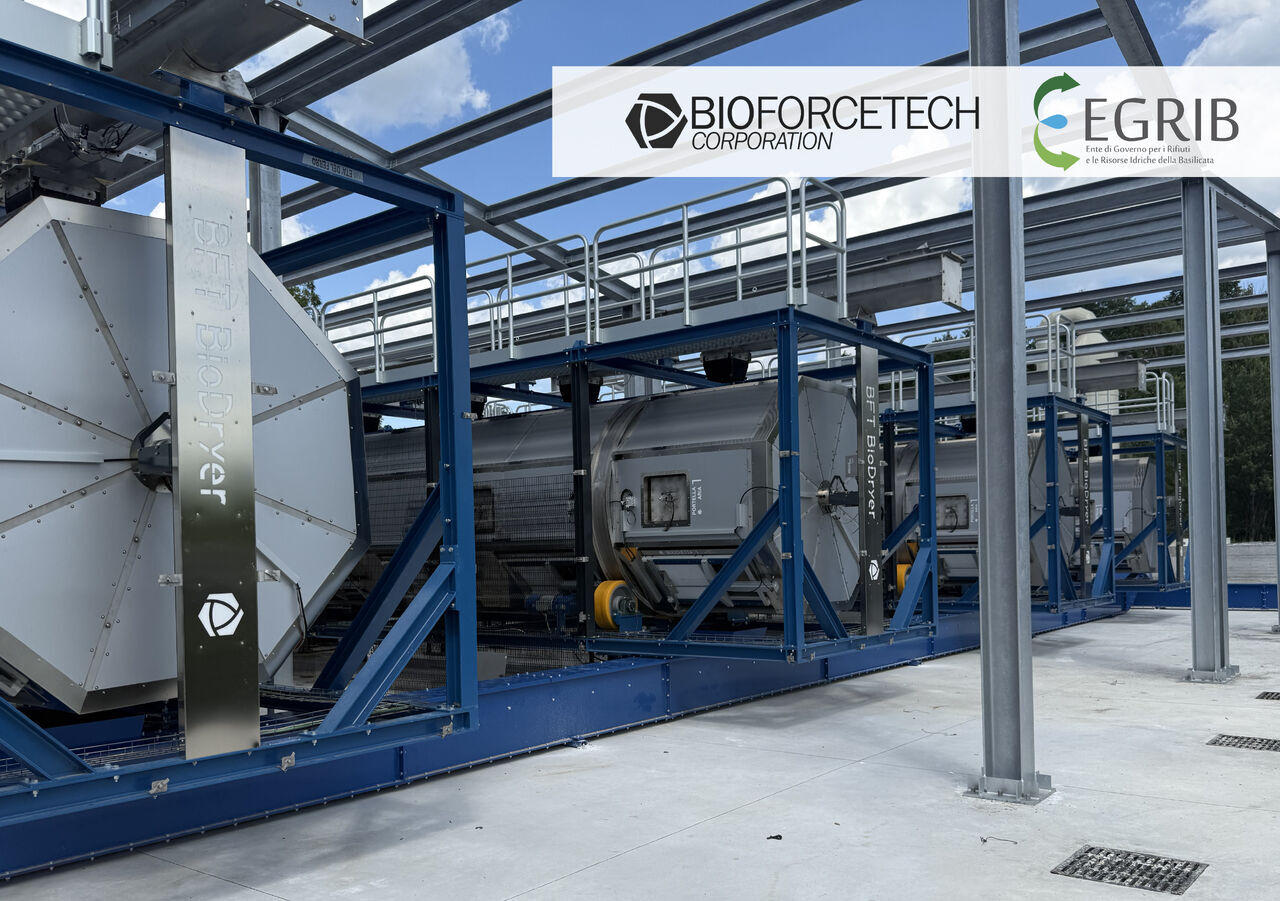
The underutilized biomass that Bioforcetech takes pride in processing is directly pointed to in RMI’s report: wastewater biosolids transformed for use as a concrete aggregate replacement. This process sequesters carbon within the built environment at its end state, with the multi-benefit of diverting the material from emitting methane from landfills or contaminating soils with pharmaceuticals, PFAS, and more. A big thank you to RMI for seeing the work BFT and our partners are doing to make this new biosolids pathway a reality.
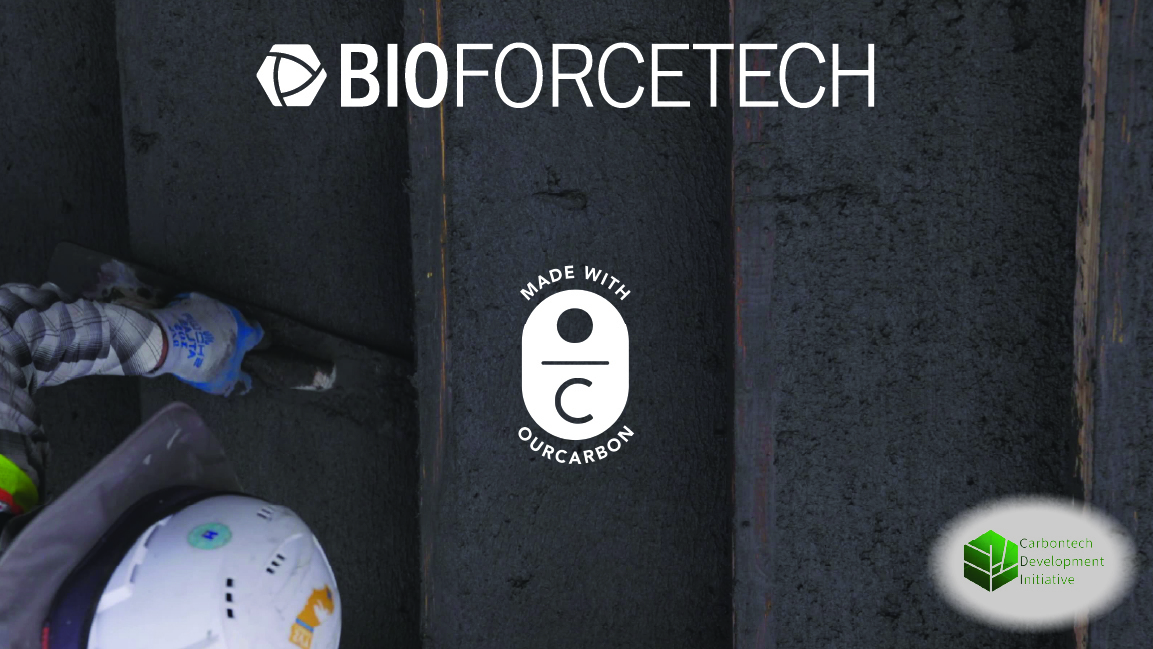
For years, Bioforcetech has been transforming biosolids into stable carbon materials like OurCarbon®, destroying contaminants in the process and turning waste into a valuable input across industries. In construction, OurCarbon® can be integrated into concrete to reduce embodied carbon, storing more than 1 pound of CO₂e for every pound used. It’s also used in pigments, inks, coatings, and more.
Circular systems-based approaches are entering the mainstream conversation, and efforts are being recognized. In 2024, Bioforcetech was named a Metropolis Likes Award winner (in collaboration with Model No.), reflecting the growing role of low-carbon materials in design.
This growing recognition reflects where the industry is headed and the increasing role of material innovation in shaping a more sustainable built environment.